
Flood Warnings Need More Than a Red Banner
A flood warning can travel across a phone screen in seconds, but a red banner alone cannot tell a family beside a river whether the message applies to them. The essential details are more practical: the source, the place, the time of the update, and what people are being advised to do.
Start with the source and place
In Bangladesh, weather and flood information may come from different authorities, including the Bangladesh Meteorological Department and the Flood Forecasting and Warning Centre. Check which agency issued the notice and whether it names a river, district, upazila, or other area that readers can identify.
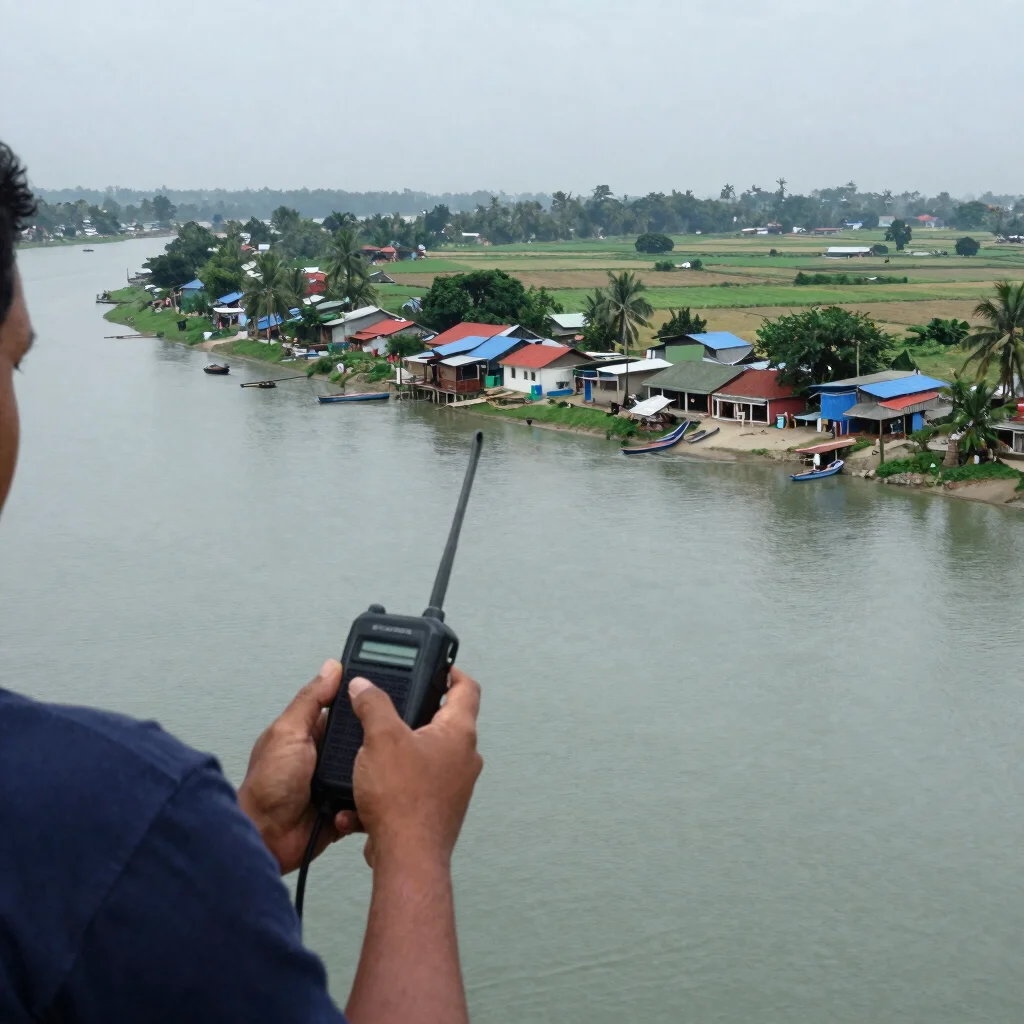
A forecast for a river basin is not automatically a description of conditions in every nearby village. For people in chars and low-lying settlements, the local location matters; so does whether the report is about expected rain, rising water, or an observed flood.
Read the update time carefully
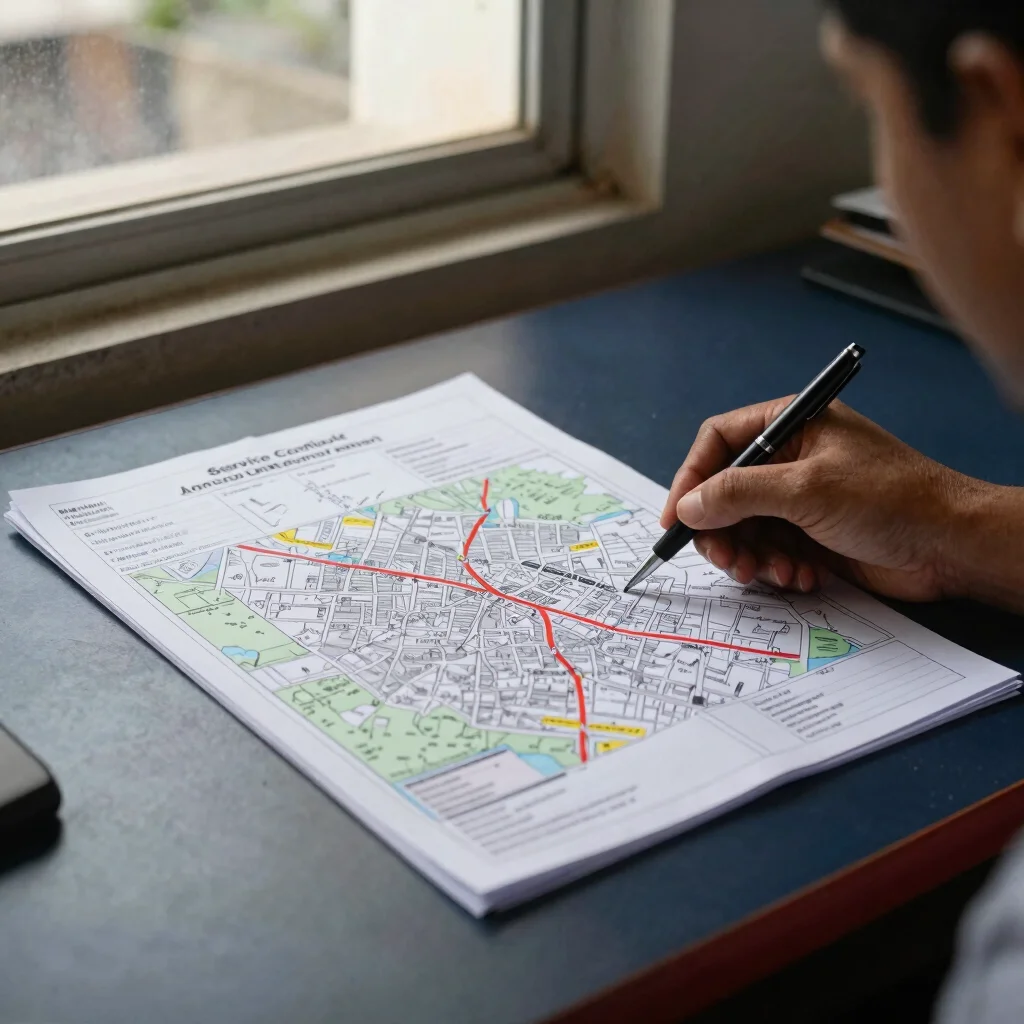
A screenshot can outlive the forecast it came from. Look for a publication or update time, then open the original notice if it is available rather than relying on a cropped image passed between groups.
The wording matters too. A forecast describes what may happen, while an observation describes what has been recorded. A responsible update keeps that distinction visible and says plainly when a detail is not yet confirmed.
Share the useful details
When forwarding an alert, keep its source, location, time, and any stated safety guidance attached. If a notice leaves out the area or is difficult to verify, seek a current update from the relevant official channel or local administration before presenting it as confirmed news.