
A Public Complaint Needs a Verifiable Address
“The water has been off for days” tells readers that someone is frustrated. It does not yet tell them which street, which service, or who can confirm what happened. For public-interest reporting, a complaint becomes more useful when the account has an address readers and officials can recognize.
Make the location checkable
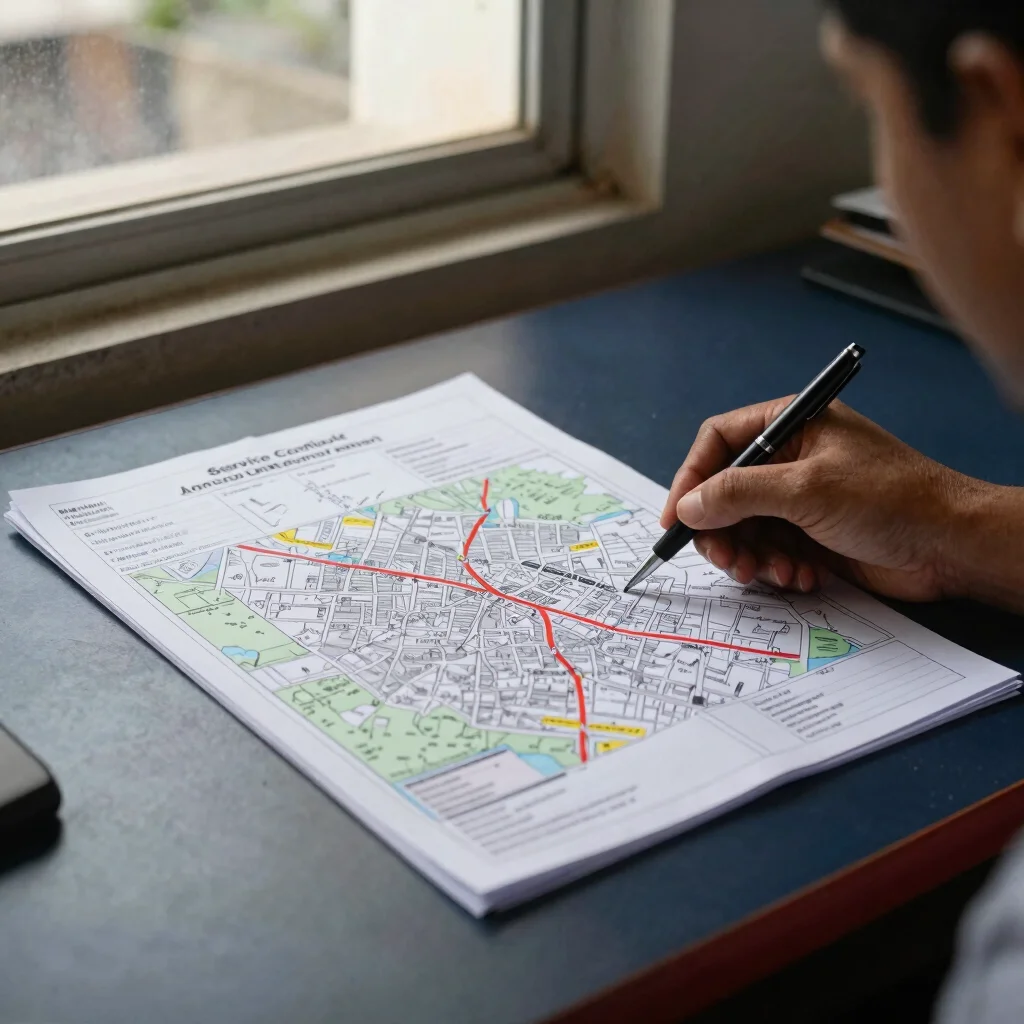
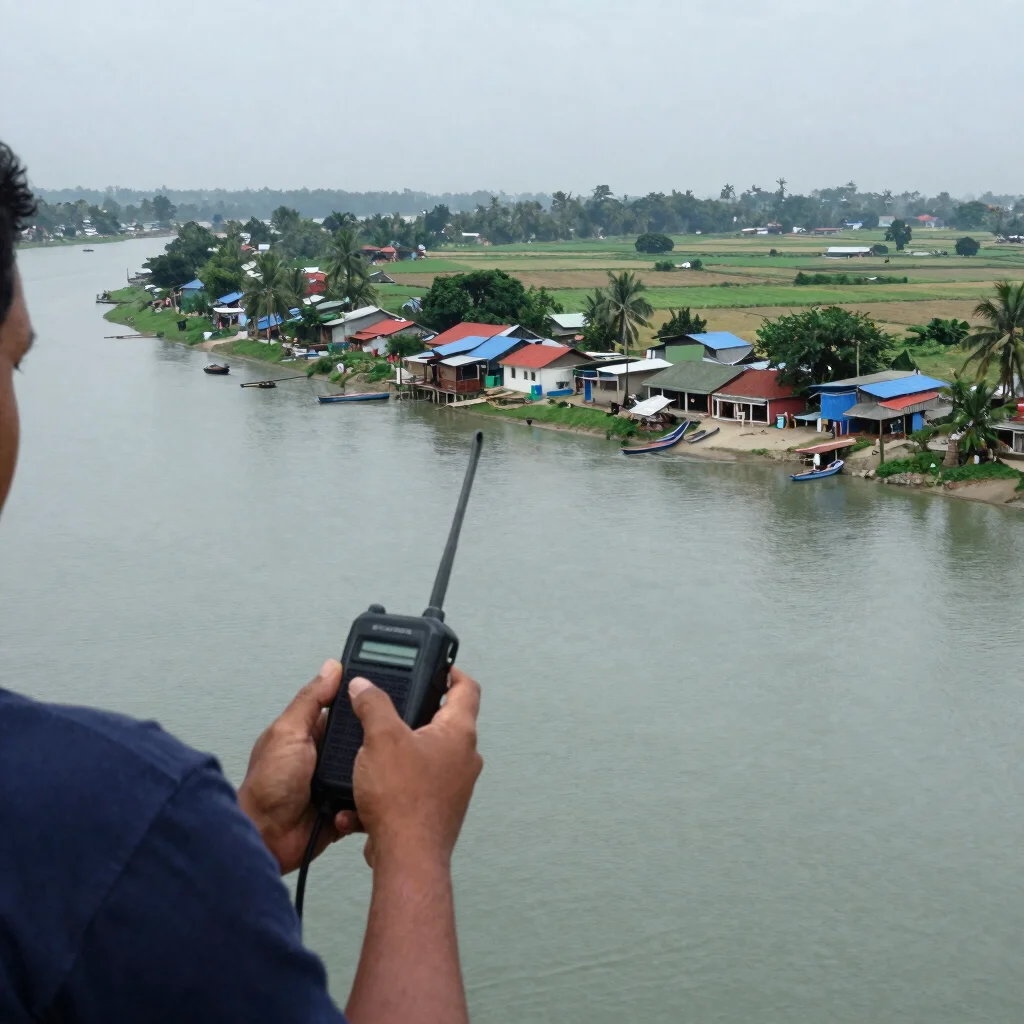
Start with the smallest useful location: a neighborhood, road, landmark, ward, or village, depending on what is safe and appropriate to publish. In Bangladesh, responsibility for a service may sit with a city corporation, pourashava, union parishad, or another authority, so naming the area helps a newsroom identify whom to contact.
Record when the problem was noticed and whether it is still happening. A dated photograph or document can help establish context, but it should not be treated as proof of every claim in a reader’s message.
Separate claims from confirmation
A newsroom should distinguish what a resident says from what reporters have independently confirmed. That means checking the location where possible, speaking with relevant people, and asking the responsible office for a response before stating disputed details as fact.
If an office does not respond by publication time, the article should say that clearly and give the timing of the request where relevant. An unanswered question is not the same as proof of wrongdoing.
Keep the reader oriented
A clear headline, reporter byline, and visible publication date let readers see who is accountable for the report and how current it is. When the story changes, a dated update should explain what is new; the original complaint should not be left to speak for itself.